Ancillary Inspections

Ancillary inspections are additional examinations conducted during a residential or commercial building inspection to identify issues beyond the scope of the standard inspection. These inspections are typically conducted by specialists who have expertise in a particular area, such as plumbing, electrical systems, or environmental hazards.

Some common ancillary inspections that may be recommended during a building inspection include:

  1. Annual Maintenance Inspection

  2. RADON Monitoring

  3. Thermal Imaging

  4. Electromagnetic Field (EMF) Radiation and Radio Frequency (RF) Radiation testing.

  5. Aerial Drone Video & Photography

  6. Sound Frequency Monitoring

  7. End-of-Warranty Inspection

  8. Bacterial Growth (Mold/Mold-Like Substances)

  9. Indoor Air Quality (Carbon Monoxide/Gas/Radon/etc.)

  10. Water Testing

  11. Phased Inspections:

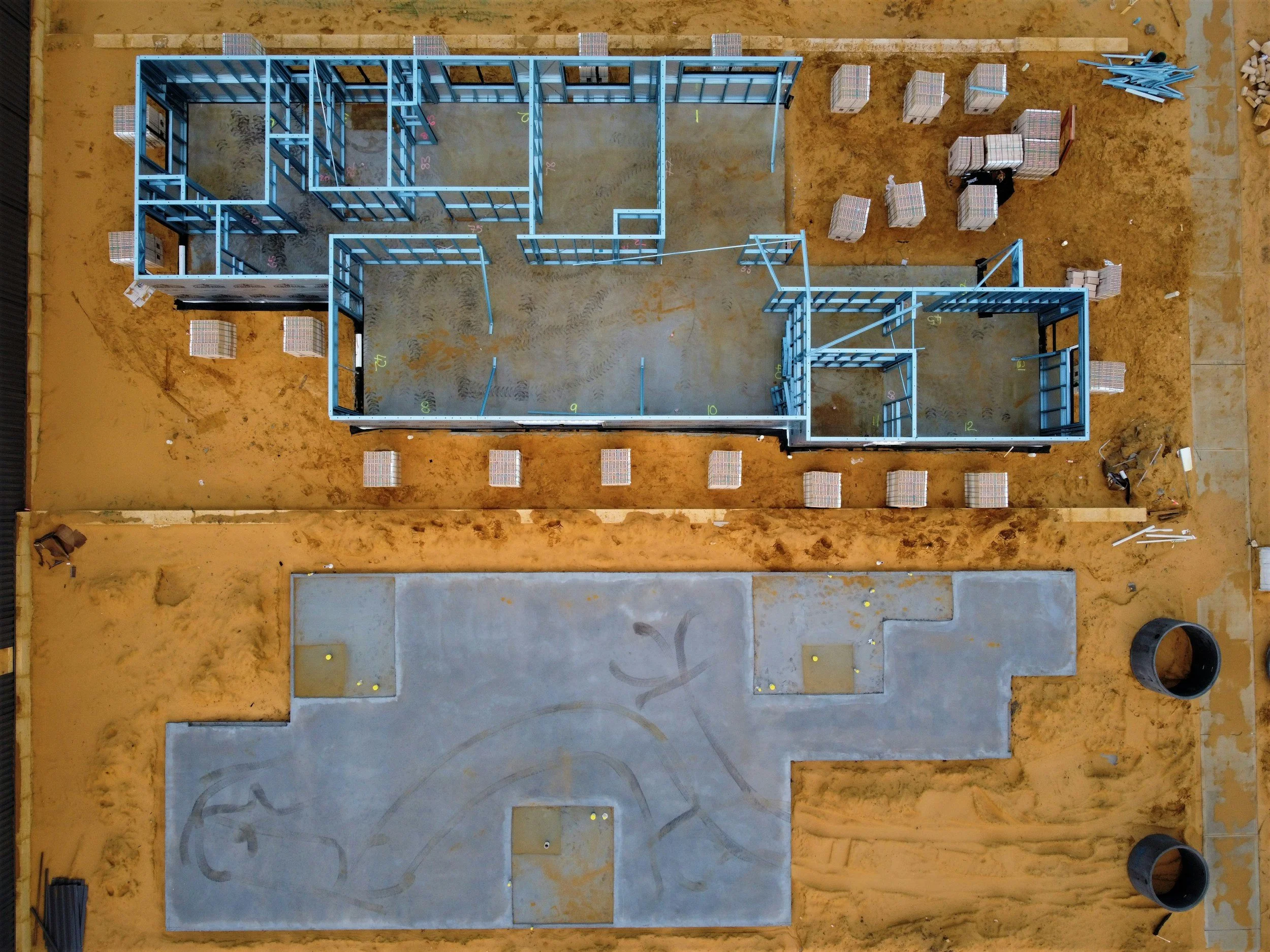
    1. Foundation Inspection (Pre-Pour):

      • Checks site grading, footings, forms, rebar, and moisture barriers before concrete is poured.

    2. Framing Inspection:

      • After foundation, before walls go up, check the structural frame, roof, and exterior sheathing.

    3. Pre-Drywall (Rough-in) Inspection:

      • Crucial check of plumbing, electrical, and HVAC systems after they're installed but before insulation and drywall covers them.

    4. Insulation & Energy Efficiency Inspection:

      • Ensures proper insulation and air sealing before drywall.

    5. Final Inspection (Pre-Closing):

      • Looks at the finished home: roofing, siding, windows, doors, all systems (electrical, plumbing, HVAC), finishes, drainage, and appliances.

    6. One-Year Warranty Inspection (Pre-Expiration):

      • A final review to identify any hidden issues or defects before the builder's warranty ends. 

  12. Deck Inspection

  13. Wind Mitigation (Required for Florida)

  14. 4-Point Inspection (Required for Florida)

  15. Other Structures (Shed/Barn/etc.)

Overall, ancillary inspections are an important part of a comprehensive building inspection, as they can identify issues that may not be readily apparent during a standard inspection. By identifying these issues early, homeowners and building owners can take steps to address them before they become more serious and costly to repair.